

Managing winter weather is never one-size-fits-all. Snow depth, the actual accumulation of inches or feet of snow on the ground, directly affects how and when snow removal strategies are deployed. A dusting of snow requires different tactics than a 12-inch accumulation, and commercial properties, and industrial sites each demand even more tailored approaches.
Understanding how snow depth influences removal strategies helps property managers, business owners, and homeowners alike maintain accessibility and smooth operations throughout the winter season. Dependable snow plowing in Montgomeryville, PA keeps business parking lots clear, allowing daily operations to continue without disruption.
Why Snow Depth Matters
The depth of snow is more than just a measuring statistic—it dictates the tools, timing, and manpower required for efficient removal. A half-inch of snow may be addressed with a quick sweep or light salting, while heavy accumulations demand plowing, snow hauling, and sometimes continuous clearing throughout a storm.
Snow depth also influences:
- Speed of response: Shallow snow may allow for delayed service windows, while deep snow requires immediate and repeated passes.
- Equipment selection: From shovels and snow blowers to skid steers and heavy-duty plows, certain machines are only effective at specific depths.
- Service frequency: Multiple visits may be required during a heavy storm to prevent snow compaction and ice buildup.
- Operational costs: Labor, fuel, and equipment wear increase with greater snow depths, requiring strategic planning and budget management.
Light Snow Depth: Under 2 Inches
Light snowfalls are often the most deceptive. While a thin layer of snow may look manageable, even a slight covering can cause slick surfaces. For properties, the key consideration with light snow is surface treatment rather than bulk removal.
- Primary Strategy: Application of de-icing materials—such as rock salt or liquid brine—is often sufficient. In parking lots and sidewalks, this approach keeps snow from bonding to the surface.
- Equipment Used: Lightweight plows, push spreaders, and small snow blowers. Contractors may also rely solely on hand shoveling.
- Timing: Crews typically wait until the snowfall stops or apply de-icers preemptively to prevent buildup.
Light snow depths are about balancing efficiency with cost-effectiveness. Deploying heavy machinery too early risks wasting time, fuel, and resources. Instead, surface management is prioritized.
Moderate Snow Depth: 2 to 6 Inches
Moderate snow accumulation prompts more active removal tactics. At this depth, untreated snow becomes too dense, requiring plowing or blowing rather than just salt treatment. This range is particularly important for businesses, as it often coincides with disruptions to parking access and walkways.
- Primary Strategy: Plowing, snow blowing, and strategic de-icing. Snow is typically cleared in full passes, followed by targeted salting to reduce refreeze.
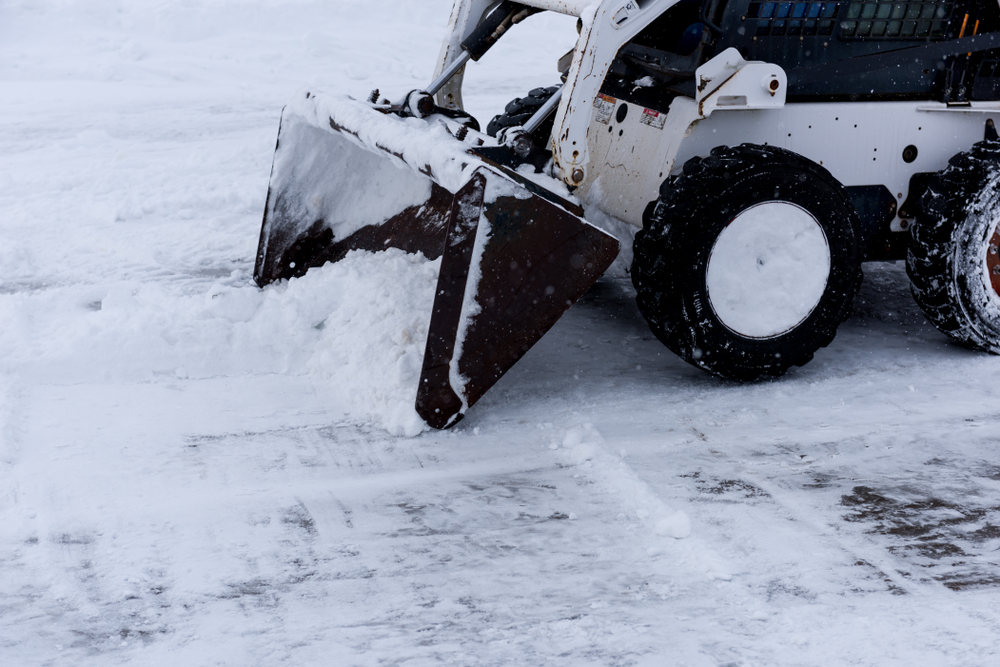
- Equipment Used: Pickup truck plows, mid-size skid steers, and commercial-grade snow blowers effectively handle this accumulation.
- Frequency of Service: Depending on storm duration, multiple passes may be recommended. Clearing in mid-storm intervals prevents the snow from becoming heavy and compacted.
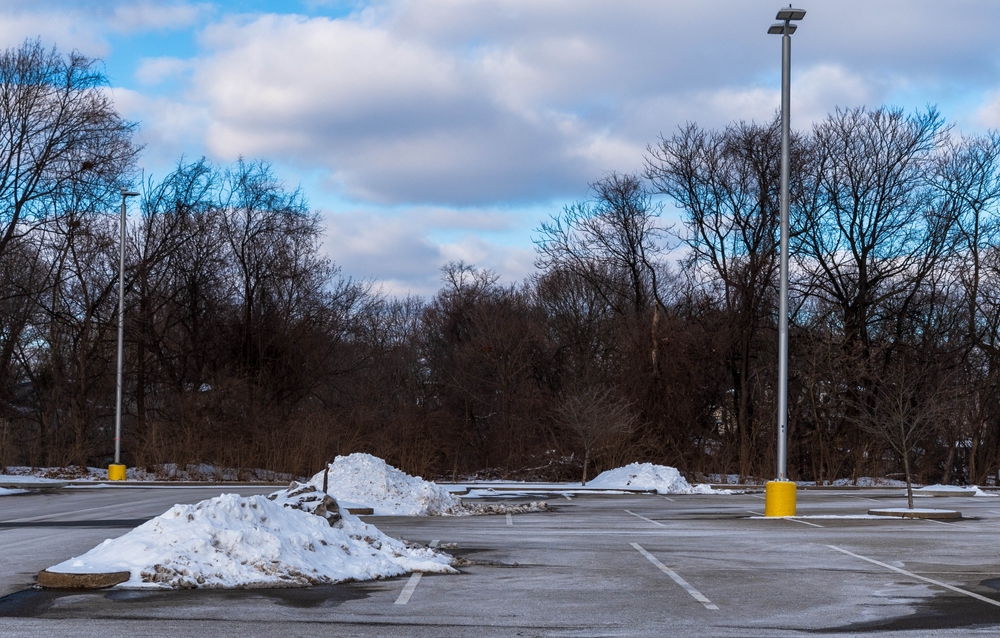
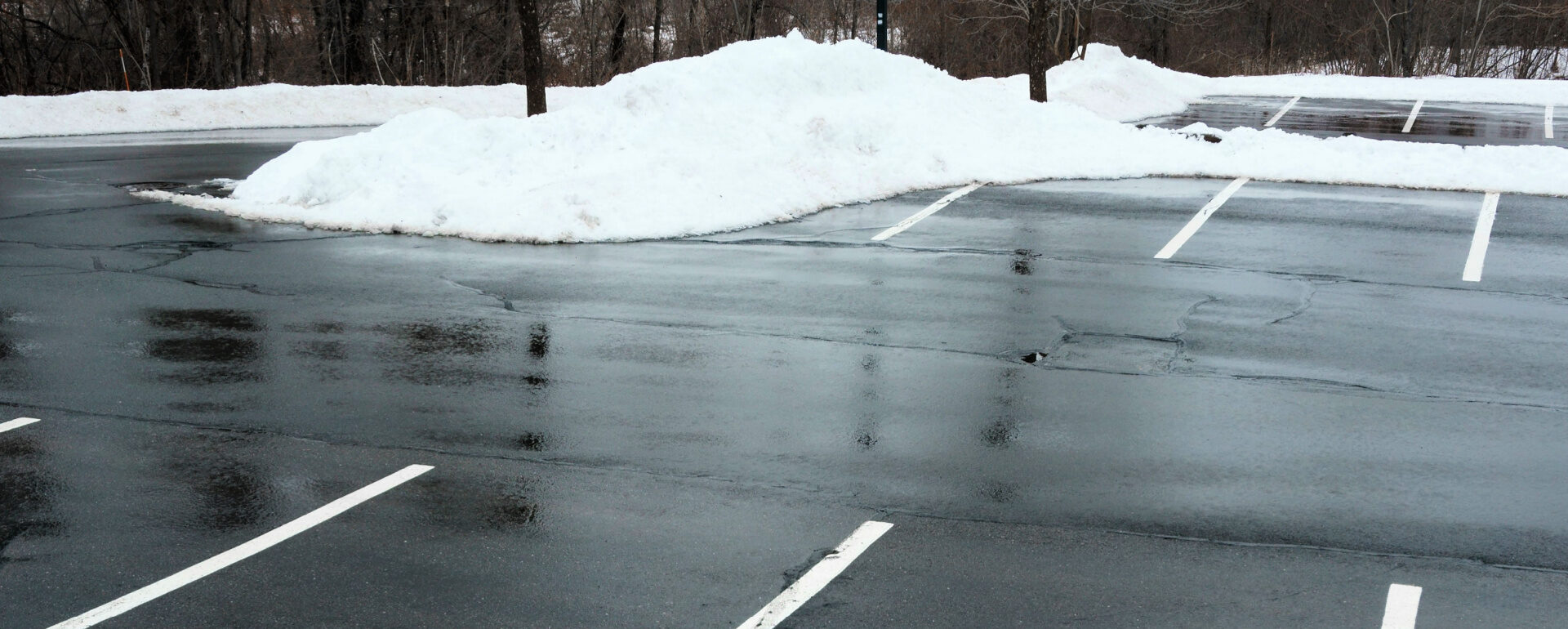
- Best Practice: Snowpile management becomes more of a priority. Contractors identify designated areas for stacking snow so it does not interfere with business traffic or visibility.
Heavy Snow Depth: 6 to 12 Inches
Heavy snow events require immediate mobilization of large-scale equipment and often the implementation of contingency plans.
Primary Strategy: Continuous removal throughout the event. Contractors stay ahead of the storm by plowing in shifts, rather than waiting until total accumulation is complete.
- Equipment Used: Heavy-duty plow trucks, large snow blowers, loaders, and skid steers. Supplemental de-icing is applied once snow is removed.
- Frequency of Service: Typically performed in multiple passes. Crews may return several times during a prolonged storm to keep lanes clear.
- Storage Considerations: Snow hauling may be required if stacking space is insufficient. Businesses with limited lot space often request removal services to maintain operational capacity.
This level of snowfall is a turning point for commercial properties. Planning ahead with reliable contractors ensures not only smooth operations, but also reduced long-term costs by avoiding overtime emergencies.
Extreme Snow Depth: 12 Inches and Above
When accumulations exceed a foot of snow, removal requires advanced strategies and often regional coordination between municipalities and contractors. Commercial properties especially face challenges with logistical access, customer flow, and volume removal.
- Primary Strategy: Combination of immediate plowing, ongoing snow management during the storm, and post-event snow relocation/hauling. Proactive communication with clients is essential at this stage.
- Equipment Used: Loaders, dump trucks for hauling, and industrial plows. This is no longer standard plowing—it is bulk snow management and logistics.
- Frequency of Service: Non-stop monitoring and staged responses. Crews are dispatched throughout the storm to ensure that accumulation does not overwhelm the property.
- Operational Focus: Snow hauling offsite becomes standard, as plowed piles can obstruct views, block fire lanes, reduce parking spaces, and create drainage issues when melting occurs.
Extreme storms test the limits of even the most seasoned removal teams. Strategy is no longer about pushing snow aside but about planning spatially, operationally, and financially for removal.
Snow Depth and Commercial Properties
Commercial properties face unique challenges compared to private residences. Large parking areas, multiple entryways, and heavy traffic flow demand professional snow management scaled directly to snow depth:
- At light snowfall levels, timely salting ensures minimal downtime.
- During moderate depths, preventive plowing keeps lots customer-ready within hours.
- With heavy and extreme snowfalls, property managers often rely on 24/7 removal strategies, requiring contractors to bring in additional crews and equipment.
Visibility, accessibility, and customer experience are greatly influenced by how quickly and effectively snow removal services adapt to the amount of snow.
Planning Ahead With Snow Depth in Mind
The most effective snow removal services are those that anticipate varying conditions. Contractors like DMC SNOW prepare by:
- Monitoring real-time weather forecasts for projected snow depth.
- Pre-staging crews and equipment near high-priority sites.
- Allocating plowing, blowing, salting, and hauling resources based on accumulation levels.
- Establishing long-term contracts with commercial clients to guarantee priority service regardless of storm intensity.
By planning for depths ranging from dustings to blizzards, removal teams reduce downtime for businesses and ensure operations continue seamlessly through the winter months.
Final Thoughts
Commercial snow plowing in Chester County strives to make sure business parking areas stay open and drivable. Snow depth is more than just a weather measurement—it is the deciding factor in what equipment is dispatched, how frequently crews return, and whether removal strategies are straightforward or complex. From salting a light coating to hauling truckloads of snow after a blizzard, every level of accumulation presents unique operational challenges.
For businesses and property owners, partnering with a snow removal contractor who understands the nuances of snow depth ensures smooth winter operations. With DMC SNOW’s expertise, tailored strategies based on current conditions keep properties clear, accessible, and functional—no matter how deep the snow gets. Reach out today!