
When winter storms roll through, businesses face a critical challenge: keeping their properties accessible and operational. Commercial snow removal is a complex, strategic operation that requires specialized equipment, trained crews, and meticulous planning. Understanding how professional snow removal works reveals the sophisticated systems that keep business districts, retail centers, and corporate campuses running smoothly all winter long. Snow and ice management in Chester County keeps commercial properties clear and fully functional during winter weather.
The Pre-Season Preparation Phase
Commercial snow removal operations begin well before winter arrives. Professional snow removal companies conduct thorough site assessments during the off-season, walking properties to identify access points, traffic patterns, and high-priority zones. During these visits, contractors map out snow removal routes, determine optimal snow stacking locations, and note obstacles like fire hydrants, utility boxes, and landscaping features that need protection.
This preparation phase also involves establishing trigger depths—the snowfall amount that activates service. Most commercial arrangements specify whether crews will respond at one inch, two inches, or another threshold. The contractor and property owner also determine service priorities: parking lots, walkways, loading docks, and building entrances each receive designated attention levels based on business operations and traffic flow.
Weather Monitoring and Crew Mobilization
Once winter arrives, commercial snow removal companies maintain constant weather vigilance. Professional operations use advanced meteorological services that provide hyper-local forecasts, often more detailed than standard weather reports. These services help contractors predict storm timing, intensity, and duration with remarkable accuracy.
When a storm approaches, the mobilization process begins. Crews receive advance notice, equipment undergoes final inspections, and materials like salt and ice melt are staged for quick deployment. Many commercial operators use GPS tracking systems and fleet management software to coordinate multiple crews across dozens or hundreds of properties simultaneously. This technology ensures efficient routing, prevents missed areas, and provides real-time updates to clients about service progress.
The Multi-Phase Removal Process
Commercial snow removal typically occurs in carefully orchestrated phases. During active snowfall, many contractors perform initial passes to prevent accumulation in high-traffic areas. These proactive measures keep parking lots and walkways accessible even as snow continues falling, ensuring smooth operations for employees and customers arriving throughout the day.
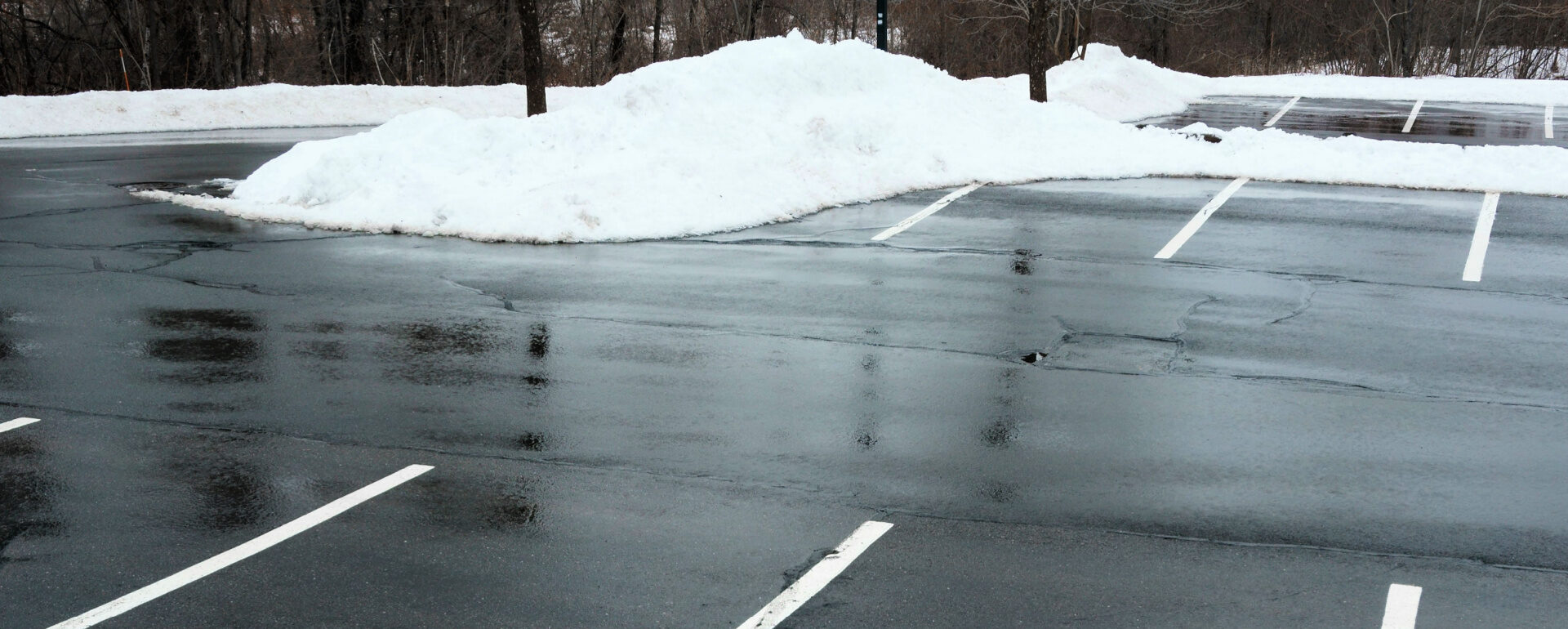
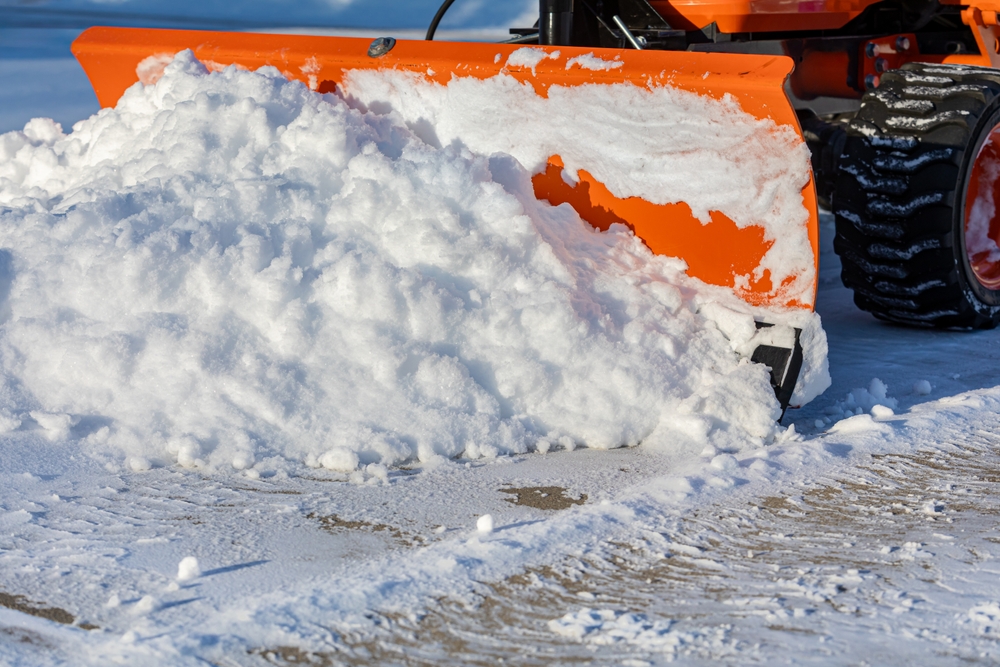
Large-scale plowing operations begin with the perimeter and work inward, pushing snow to predetermined stacking areas. Experienced operators understand snow removal requires strategic placement. Snow must be stacked where it won’t block sightlines, interfere with traffic flow, or create obstacles when it melts. Professional crews avoid pushing snow onto neighboring properties, against building exits, or into areas where it could damage landscaping or infrastructure.
After plowing, crews focus on detail work. Sidewalks, building entrances, and pedestrian areas require different equipment and techniques than parking lots. Many commercial operators deploy walk-behind snow blowers, hand crews, and specialized compact equipment to handle these areas. This phase demands precision and attention to detail to ensure complete clearance of all pedestrian zones.
De-icing and Surface Treatment
Removing snow is only part of the service. Ice management distinguishes exceptional snow removal companies from average providers. Professional contractors employ both anti-icing (applying materials before precipitation) and de-icing (treating surfaces after snow removal) strategies to maintain clear, accessible surfaces.
Anti-icing involves applying liquid brine or other treatments before storms arrive. This proactive approach prevents snow and ice from bonding to pavement, making subsequent removal easier and reducing the total amount of material needed. When applied correctly, anti-icing improves outcomes while being more efficient and cost-effective than reactive treatments alone.
After plowing, crews apply granular salt, calcium chloride, or alternative ice-melting products to eliminate remaining ice and prevent refreezing. Application rates depend on temperature, pavement conditions, and expected traffic patterns. Proper material application ensures optimal surface conditions throughout the storm cycle and recovery period.
Specialized Equipment Arsenal
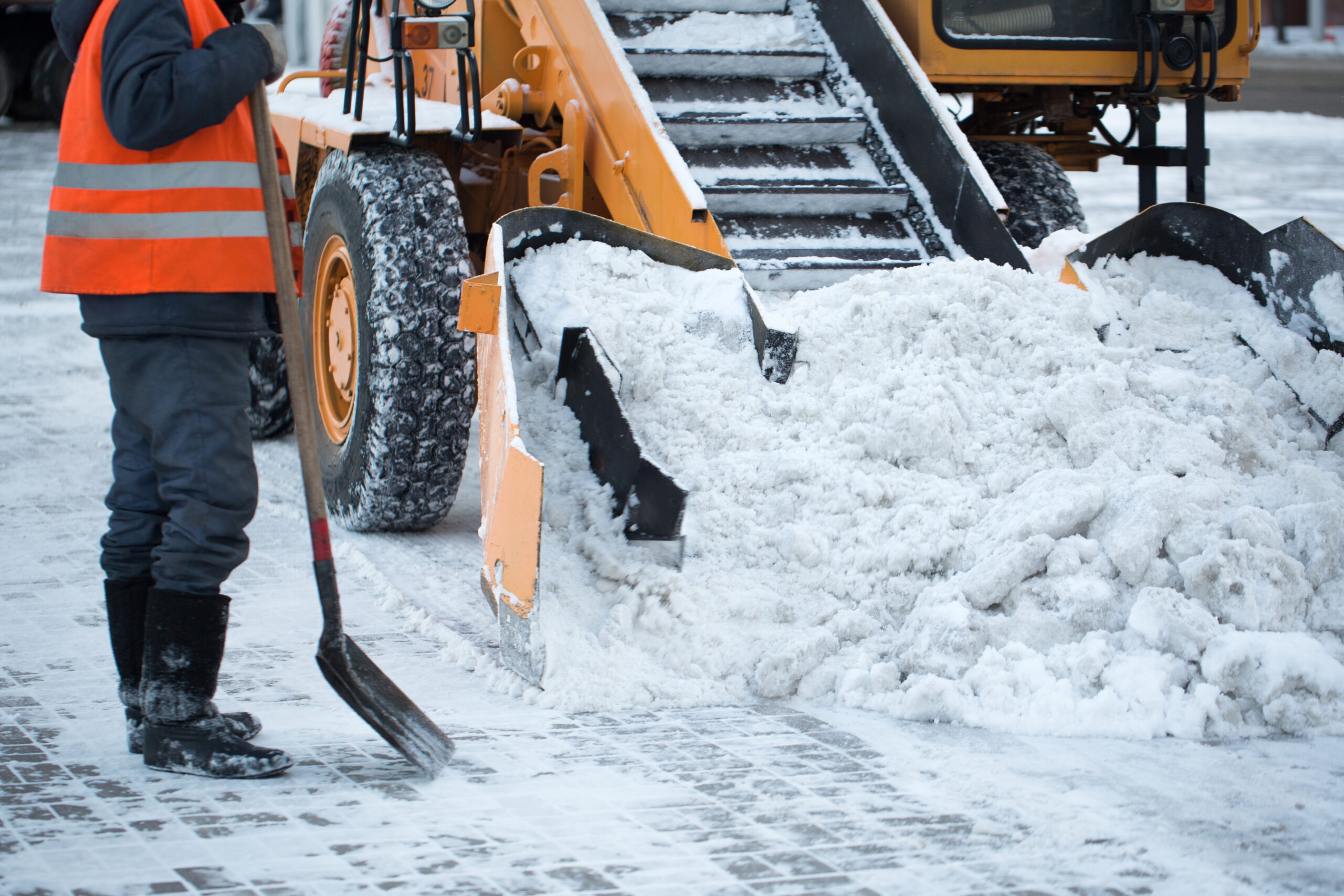
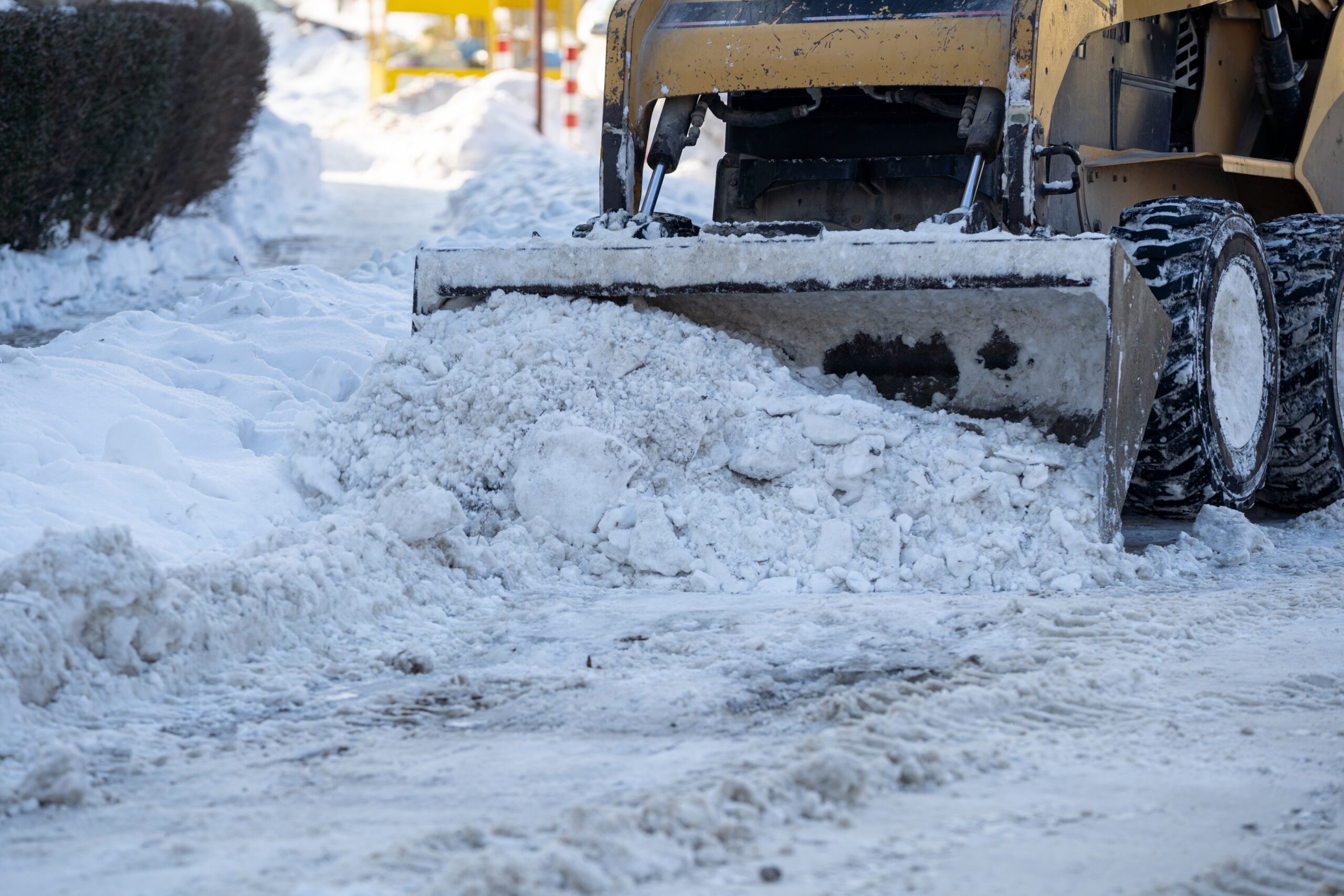
Commercial snow removal demands specialized equipment designed for efficiency and capability. Full-size plow trucks handle large parking areas, while pickup trucks with smaller plows navigate tighter spaces. Wheel loaders and skid steers with pusher boxes move massive amounts of snow quickly—essential for large retail centers, industrial facilities, and office complexes.
For extreme accumulations, snow removal companies bring in heavy equipment like front-end loaders and dump trucks to relocate snow off-site. This becomes necessary when stacking areas fill up or when properties simply don’t have adequate space for on-site accumulation. Some urban properties require relocation after every significant storm due to space constraints.
Sidewalk equipment includes everything from walk-behind snow blowers to compact utility vehicles equipped with plows and spreaders. Many contractors also maintain backup equipment to ensure service continuity if primary machines experience downtime during crucial storm periods.
Real-Time Documentation and Client Communication
Modern commercial snow removal involves extensive documentation and transparency. Crews photograph properties before and after service, GPS systems log plow routes and timing, and material application gets recorded for each site. This documentation provides verification of completed work and creates detailed service records for property management teams.
Communication technologies keep property managers informed throughout the process. Many companies offer web portals or mobile apps where clients can view real-time service status, access completion photos, and request additional services. This transparency ensures accountability and keeps everyone aligned on expectations and results.
Logistics and Multi-Site Coordination
For companies managing multiple locations, commercial snow removal becomes a logistical operation. Professional contractors coordinate crews across entire service territories, prioritizing properties based on business hours, customer traffic, and operational needs. A retail center opening at 6 AM receives different timing than an office complex with 9 AM operations.
Route optimization software helps contractors maximize efficiency, reducing response times and fuel consumption while ensuring no property gets overlooked. Dispatchers monitor weather conditions, crew progress, and emerging priorities in real-time, adjusting deployment strategies as storms evolve. This sophisticated coordination separates professional commercial operators from basic snow clearing services.
The 24/7 Operational Reality
Unlike many service industries, commercial snow removal operates around the clock during winter weather events. Storms don’t follow business hours, and neither do professional snow removal crews. Night shifts, weekend deployments, and holiday operations are standard expectations. Contractors maintain on-call teams ready to mobilize whenever precipitation begins, regardless of timing.
This continuous operational readiness requires significant infrastructure investment. Equipment maintenance, crew scheduling, material stockpiling, and backup systems all factor into professional commercial snow removal. Snow plowing in Delaware County makes sure that parking lots and walkways stay clear.
The Professional Approach
Commercial snow removal combines meteorology, logistics, heavy equipment operation, and customer service into a comprehensive winter maintenance solution. Professional contractors invest significantly in equipment, training, technology, and operational systems to deliver reliable service that keeps businesses operating throughout winter’s challenging conditions.
Understanding this complexity reveals why quality commercial snow removal represents a strategic operational partnership—not merely a transactional service. The combination of advanced planning, specialized equipment, skilled operators, and real-time coordination creates the seamless winter maintenance that modern businesses require. Contact us today!