
Winter weather creates unique operational challenges for commercial properties. Ice formation on parking lots, walkways, and loading areas can disrupt business operations and limit accessibility. Understanding deicing and how it works helps property managers maintain smooth operations throughout the winter season. West Chester snow removal keeps commercial properties cleared and operational, ensuring business activities continue smoothly during winter weather.
Understanding Deicing
Deicing is the process of removing ice that has already formed on surfaces by breaking the bond between the ice and the pavement. Unlike anti-icing (which prevents ice from forming), deicing tackles ice after it’s already there, restoring clear, accessible surfaces.
The deicing process involves applying chemical agents that lower the freezing point of water, causing ice to melt even in below-freezing temperatures. These materials create a brine solution that penetrates beneath the ice layer, breaking its grip on the surface and allowing for efficient removal.
Common Deicing Materials
Several types of deicing agents are available, each with distinct performance characteristics:
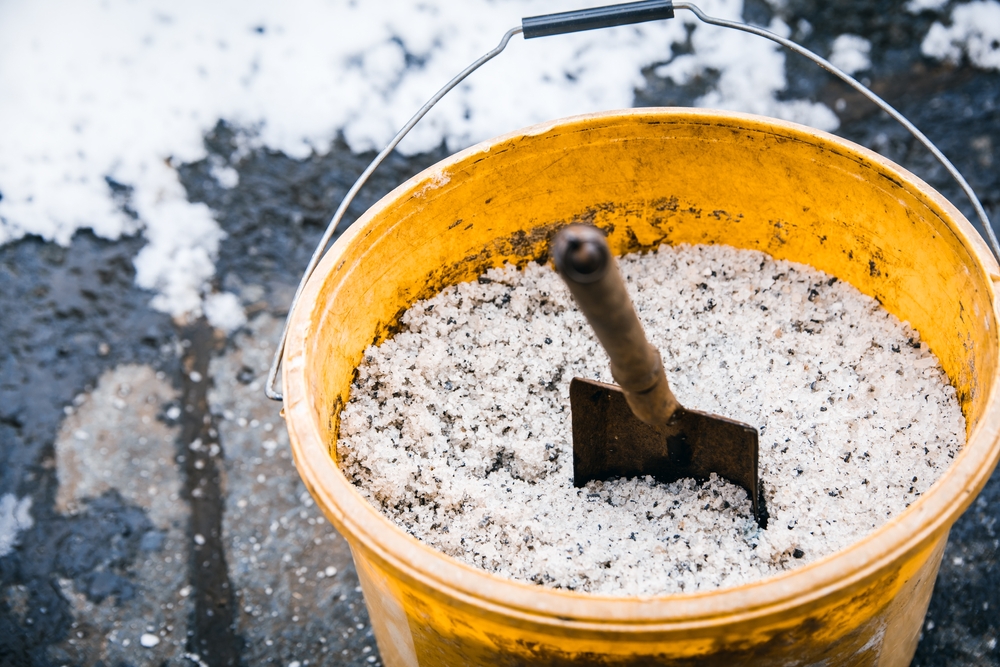
- Rock Salt (Sodium Chloride) remains the most widely used deicing material due to its effectiveness and cost-efficiency. It works efficiently down to about 15°F, making it suitable for most winter conditions.
- Calcium Chloride performs in much colder temperatures (down to -25°F) and works faster than rock salt. It generates heat when it dissolves, accelerating the melting process—particularly valuable during overnight operations or early morning treatments.
- Magnesium Chloride offers effective performance to around -13°F while being less corrosive than calcium chloride. It’s an excellent option for properties with significant concrete or metal infrastructure.
- Potassium Chloride works well in moderate winter conditions and is often chosen for properties with extensive landscaping, though it’s typically more expensive and less effective at very low temperatures.
Why Deicing Matters for Commercial Operations
Maintaining Accessibility
For commercial properties, accessibility is everything. Customers need to reach your entrance, employees need to access parking and walkways, and delivery trucks need clear loading zones. Effective deicing keeps your property fully operational regardless of weather conditions, ensuring business continues without weather-related disruptions.
Operational Efficiency
Ice buildup doesn’t just slow down foot traffic—it impacts every aspect of your operation. Loading and unloading becomes more time-consuming, employee arrival and departure takes longer, and customer flow decreases. Professional deicing services restore normal operational tempo, keeping your business running on schedule.
Property Performance
Ice accumulation affects more than immediate accessibility. When ice repeatedly melts and refreezes, it can damage pavement surfaces, creating deterioration that leads to costly repairs. Regular deicing helps maintain your property’s infrastructure, extending pavement life and protecting your investment.
Maintaining Professional Appearance
First impressions matter in commercial settings. A property that’s properly maintained in winter weather demonstrates operational excellence and attention to detail. Clear, accessible surfaces signal to clients and customers that your business is reliable and well-managed, regardless of conditions.
How Professional Deicing Works
Material Selection
Professional deicing services evaluate temperature conditions, surface types, and timing requirements to select the most effective materials for each situation. Different scenarios call for different solutions—what works for a morning freeze may not be optimal for an overnight ice event.
Strategic Application
Proper deicing requires more than spreading material on ice. Professional teams understand application rates, coverage patterns, and timing sequences that maximize effectiveness while optimizing material usage. They know where ice tends to form first, which areas need priority treatment, and how to address challenging spots like shaded areas or drainage zones.
Equipment and Technology
Commercial deicing operations utilize specialized equipment designed for efficient, consistent application. Professional-grade spreaders ensure even distribution, while GPS tracking and application monitoring systems provide documentation of service delivery and material usage.
24/7 Response Capability
Winter weather doesn’t follow business hours. Professional deicing services provide round-the-clock monitoring and response, ensuring your property receives treatment whenever conditions require it—whether that’s 3 AM or 3 PM.
Best Practices for Effective Deicing
- Timing Optimization: Applying deicing materials early in an ice formation event yields better results with less material. The thinner the ice layer, the more efficient the treatment.
- Appropriate Application Rates: Using the correct amount of material for conditions ensures effectiveness while controlling costs. Over-application wastes resources; under-application may not achieve desired results.
- Temperature Considerations: Matching deicing materials to current and expected temperatures ensures optimal performance. Different products have different effective temperature ranges.
- Integrated Approach: Combining mechanical removal with chemical deicing provides the most effective results for significant ice accumulations. Plowing or scraping thick ice layers before applying deicing materials improves overall efficiency.
- Preventive Treatments: When weather forecasts indicate ice formation, applying anti-icing treatments before precipitation arrives often proves more effective than removing ice after it forms.
The Value of Professional Service
Commercial properties have unique requirements that differ significantly from smaller-scale winter maintenance. Professional deicing services bring specialized expertise, commercial-grade equipment, and systematic approaches that ensure consistent results.
Professional teams monitor weather conditions continuously, adjusting response plans as conditions evolve. They maintain detailed service records, optimize material usage based on real-time conditions, and coordinate with property management teams to address specific operational needs.
Perhaps most importantly, professional services free property managers to focus on core business operations rather than winter weather logistics. When deicing is handled by experienced professionals, property teams can concentrate on running their businesses while trusting that accessibility and operations will be maintained.
Planning for Winter Success
Effective winter property management starts with preparation. Understanding your property’s specific challenges—drainage patterns, sun exposure, high-traffic zones, and critical access points—allows for strategic planning that keeps operations flowing smoothly.
Professional deicing partners work with property managers to develop customized service plans that address each property’s unique characteristics. This planning process considers operational priorities, traffic patterns, and timing requirements to create an approach tailored to your specific needs. Snow and ice management services in Chester County keep parking lots and walkways clear, helping businesses maintain smooth operations all winter.
Moving Forward
As winter weather patterns continue throughout the season, having a clear understanding of deicing and its role in commercial property management helps ensure operational continuity. Whether you manage a retail center, office complex, industrial facility, or multi-property portfolio, effective deicing keeps your operations accessible and running smoothly.
The right deicing approach combines appropriate materials, strategic application, responsive service delivery, and experienced professional management. Together, these elements create a comprehensive solution that supports uninterrupted business operations throughout the winter season. Call us today!