

When storms hit back-to-back and recovery time shrinks to less than 48 hours, commercial snow removal crews can see their efficiency drop by as much as 30% without a clear reset plan. That’s not just a minor hiccup, it’s the difference between clearing every account on time and scrambling to answer complaints from property managers at dawn. Crews that manage to keep pace during consecutive snow large storm events have a shared approach: they see the time between storms as a structured operation, not some downtime.
Key Takeaways
- Commercial snow removal crews lose up to 30% efficiency during back-to-back storms without a structured reset plan between events.
- Centralizing dispatch through one coordinator can compress a 36-hour commercial snow removal cleanup into 12 hours.
- GPS fleet tracking provides timestamped, property-specific service records that feed directly into accurate client invoices.
- Equipment staged within 15 minutes of large commercial properties before storm arrival prevents delays during consecutive snow events.
- Weather forecasts accurate to 1.5–2.0 degrees allow crews to redeploy in real time as storm tracks shift.
Understanding the Challenges of Back-to-Back Storms
When two or three storms pile up in just 72 hours, the pressure on commercial properties is unlike any single event. Snow builds higher, equipment runs more frequently, and the need for commercial snow removal skyrockets in every affected region. This trend most often appears in late January and February, with one system trailing another by just a day or two.
The Immediate Impact on Commercial Properties
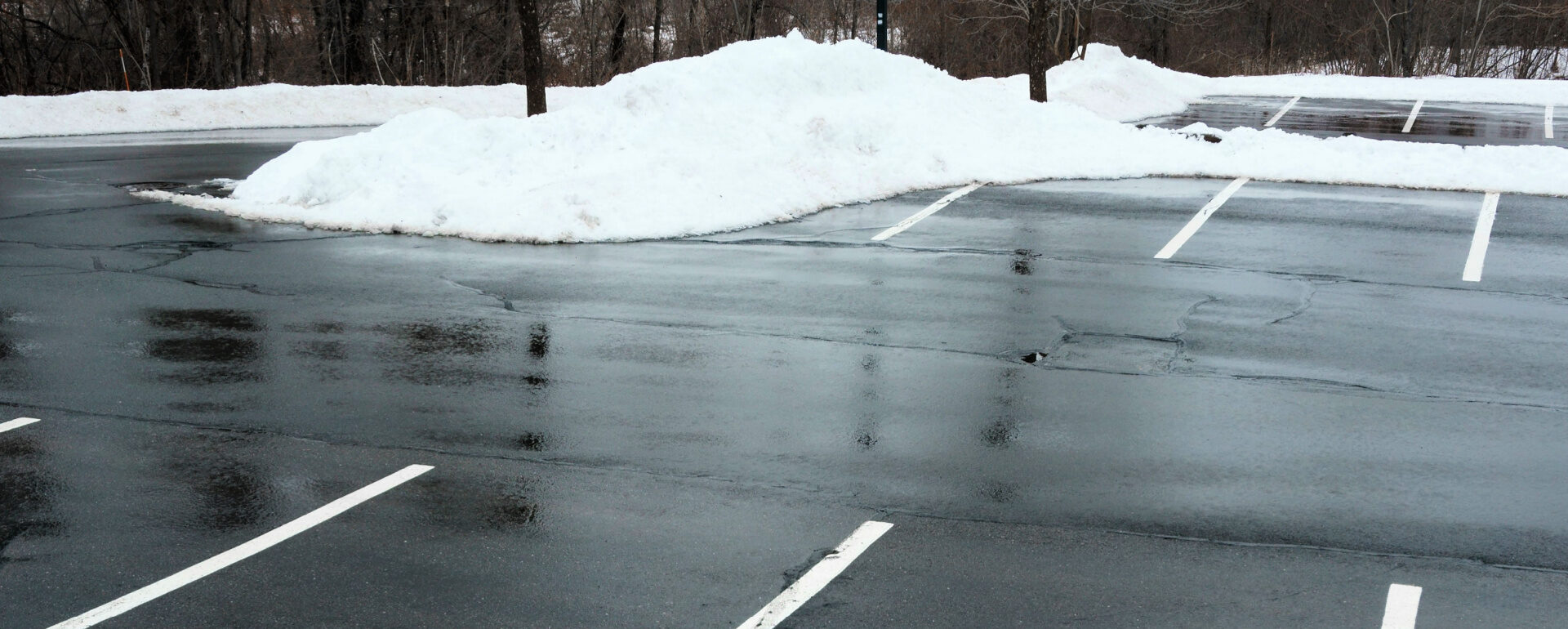
For property managers, the first issue is accumulation and accessibility. Drive lanes constrict, parking spaces vanish under snowbanks, and loading docks can’t be reached. We tackle this with pre-storm staging and scheduled return visits, ensuring tenants and customers can move freely during back-to-back storms. Hazards like refrozen melt, obscured curbs, and compacted walkways become more pronounced between storms. It’s planning and organization, not on-the-fly solutions, that keep a commercial property running during winter’s harshest stretches.
Key Strategies for Maintaining Organization
Organization on a snow site hinges on three main elements: efficient resource allocation, clear communication channels, and savvy tech use. We allocate crews and equipment according to property size, key zones (main entrances, drive lanes, loading docks), and the storm’s specifics, ensuring no truck sits idle or lot goes ignored for long. For larger properties, we have equipment ready within a 15-minute range before the storm hits.
Our dispatch functions through a single coordinator, meaning every operator, salt truck, and walkway crew reports to one person. This prevents unnecessary passes and missed areas that can quietly eat into a season’s budget. For those using our commercial snow plowing services in Montgomery County, this setup can transform a 36-hour cleanup into a 12-hour one.
We rely on weather apps and certified meteorological forecasts 24/7, keeping tabs on surface temperatures, precipitation timing, and storm tracks down to an accuracy of 1.5-2.0 degrees. When forecasts shift, crews are redeployed in real time. That’s how a professional commercial snow removal operation stays efficient even when the weather’s unpredictable.
The Role of Equipment in Successful Snow Removal
Professional equipment is the backbone of any commercial snow removal operation. Our company maintains a fleet built to tackle snowfalls ranging from 3-inch overnight storms to those stretching over 36 hours. When equipment fails, properties can’t open, and we don’t let that happen.
Routine maintenance schedules ensure every plow, blower, and spreader is storm-ready at the season’s onset. Our mechanics check hydraulics, cutting blades, and salt spreader settings all through the off-season. We also invest in annual equipment upgrades to tackle heavier snow events since older gear can’t meet the demands of large commercial sites.
What Equipment Is Essential for Effective Snow Removal?
The essential equipment includes snow plows, snow blowers, salt/sand spreaders, and skid steers or loaders for large commercial lots. Each needs seasonal upkeep, blades, belts, and augers wear out quickly under heavy use. Skipping maintenance mid-season can leave you with a broken machine at 3am in the middle of a storm.
Investing in the Right Tools for the Job
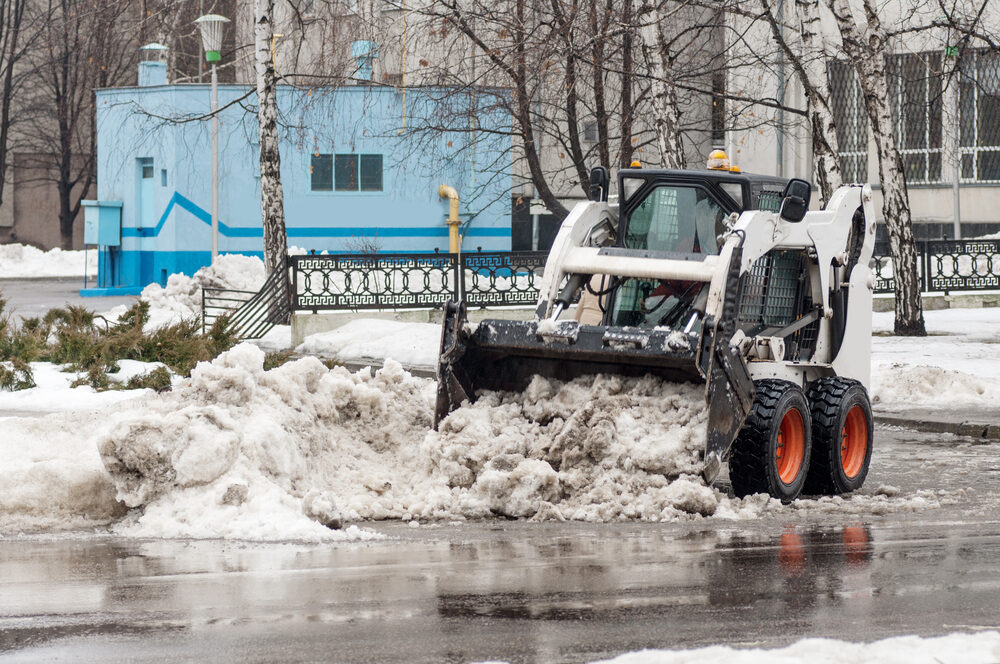
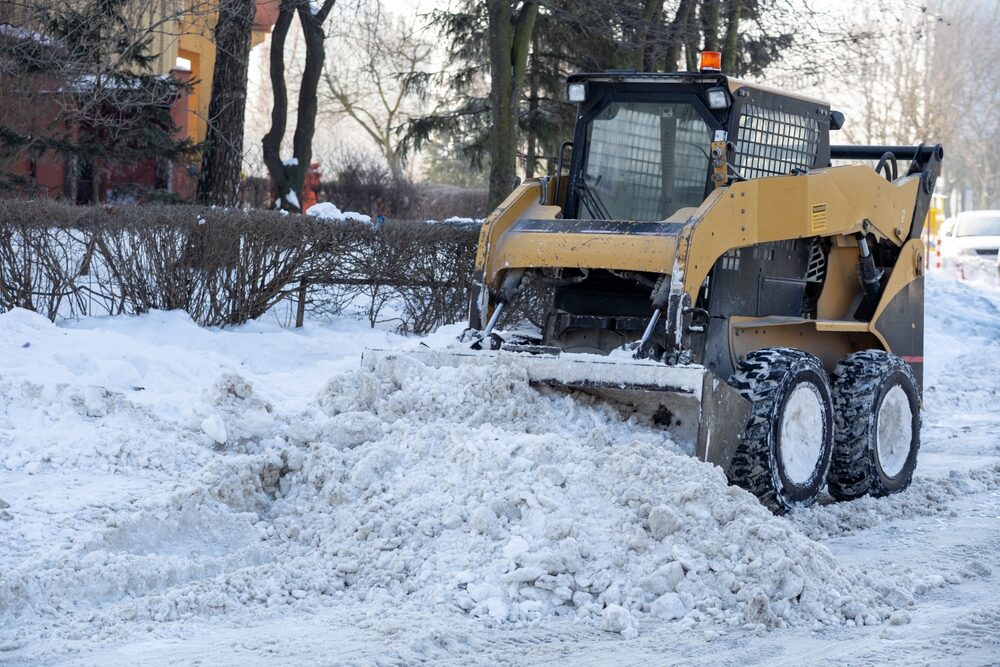
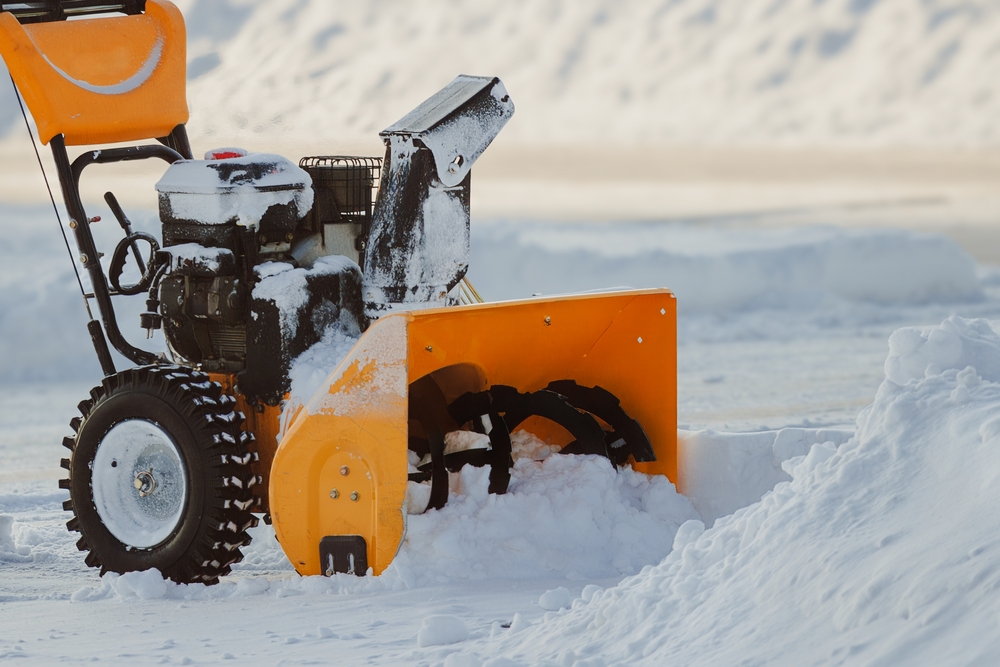
Plows, blowers, and salt spreaders each have a specific role on a commercial property. Plows clear the wide lanes. Blowers manage tight spots like sidewalks, loading dock approaches, and entry paths. Salt spreaders let us de-ice with precision, right when it’s needed. On larger properties, we use specialized equipment: loader-mounted pushers, skid steers with snow buckets, and high-capacity spreaders for parking areas over 100,000 square feet. This dedicated fleet enables our crews to clear main entrances, drive lanes, and emergency routes promptly.
Crew Coordination During High-Demand Periods
During major storms, crew coordination is what separates clear lots from closed businesses. We prepare shift schedules well before any predicted event, rotating drivers and walk crews to prevent fatigue from compromising quality. As soon as measurable snow begins to fall, our dispatch team activates staggered shifts to maintain seamless coverage across all properties.
This level of shift management relies on detailed emergency response plans. We pre-position equipment, salt, and crews near key sites (like medical facilities, distribution hubs, and retail centers) to ensure quick response times whenever a storm hits. Real-time communication between supervisors and drivers keeps each truck accountable from the first snow push to the final salt spread.
Adapting to the Unexpected
Storms rarely stick to the script. A forecasted 4-inch snowfall can swell to 9 inches of heavy, wet snow by morning, and plans need to adjust on the fly. We tweak crew rotations, reroute trucks, and bring in backup equipment without waiting for client calls.
Every winter teaches us something new. We review past storms (response times, salt application rates, problem spots like loading drive lanes, parking spaces, and loading docks and drive lanes) and fine-tune our operations before the next season kicks off. This hands-on review process is what distinguishes a dedicated commercial snow removal partner from just another vendor with a plow.
Get a Commercial Snow Removal Quote Before the Season Starts
Call or submit a request online to DMC SNOW and we’ll put together a site-specific plan for your property, no obligation, no guesswork. The contracts that hold up through a hard winter are the ones set up before the first storm, not after it.