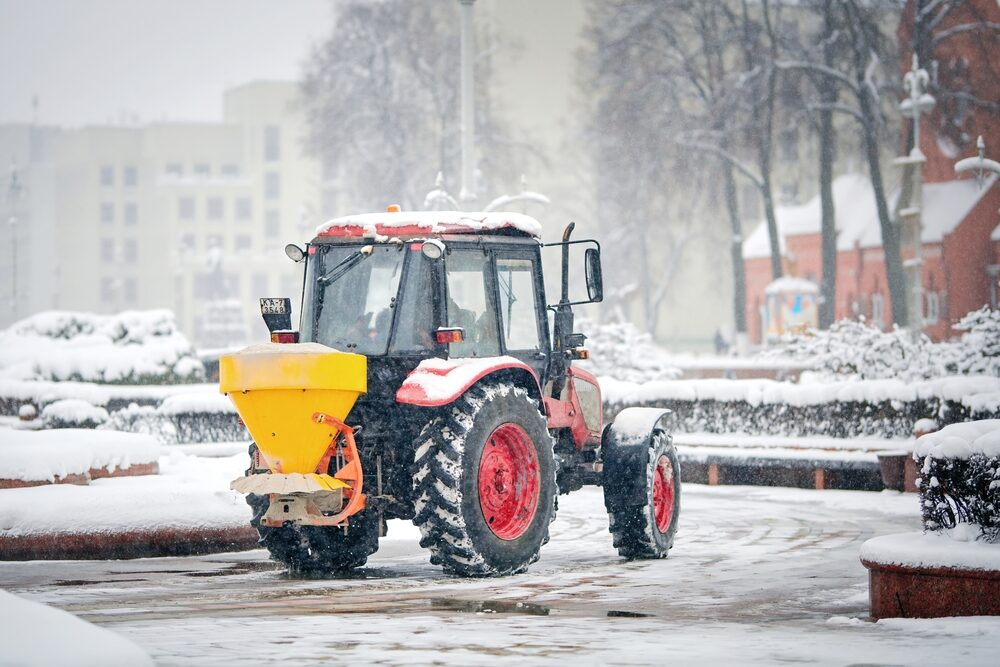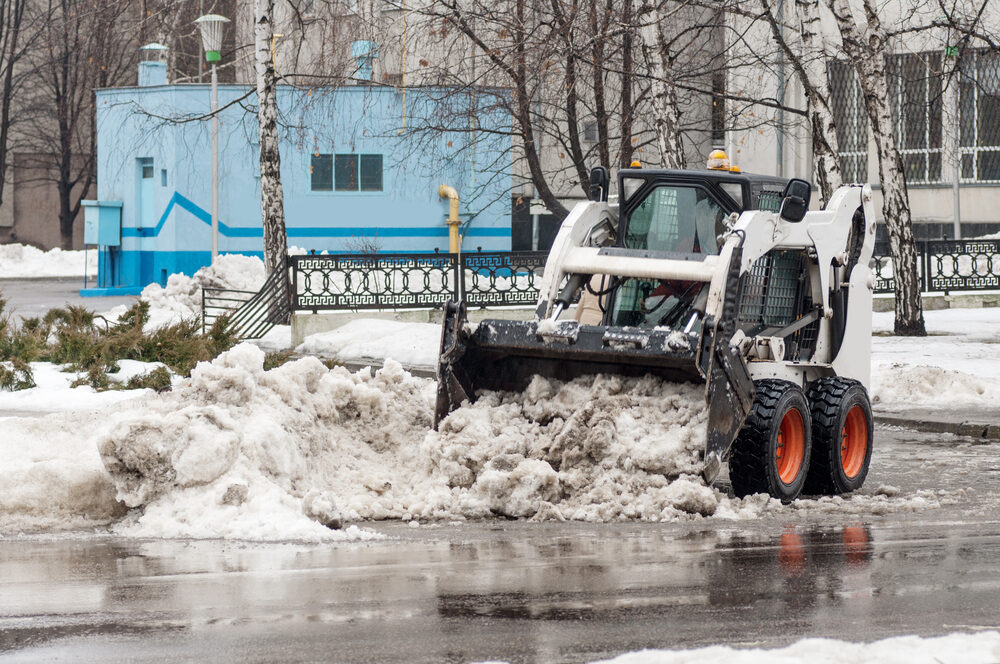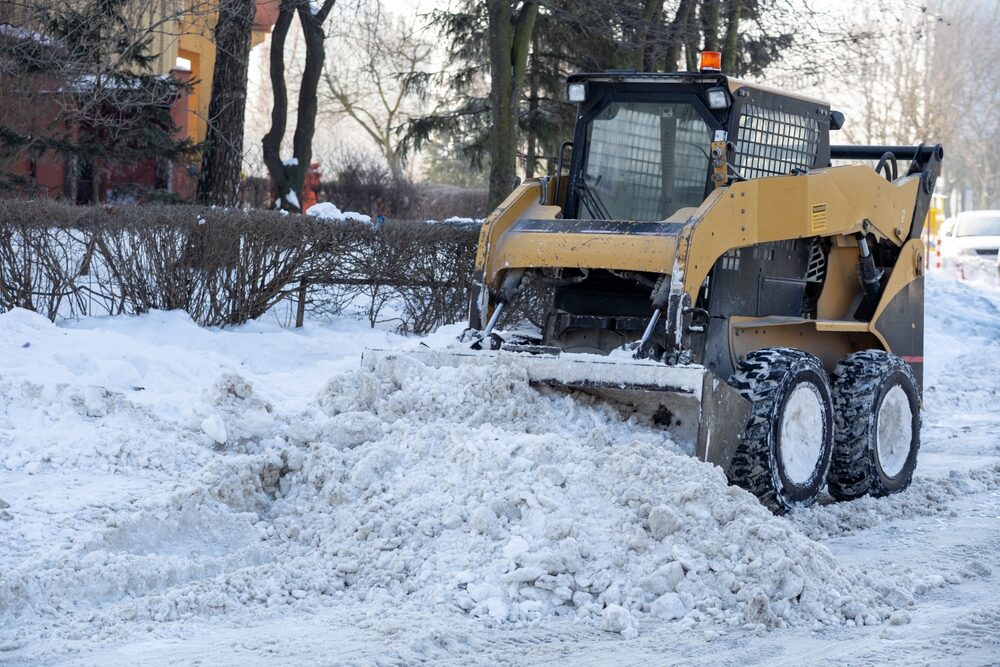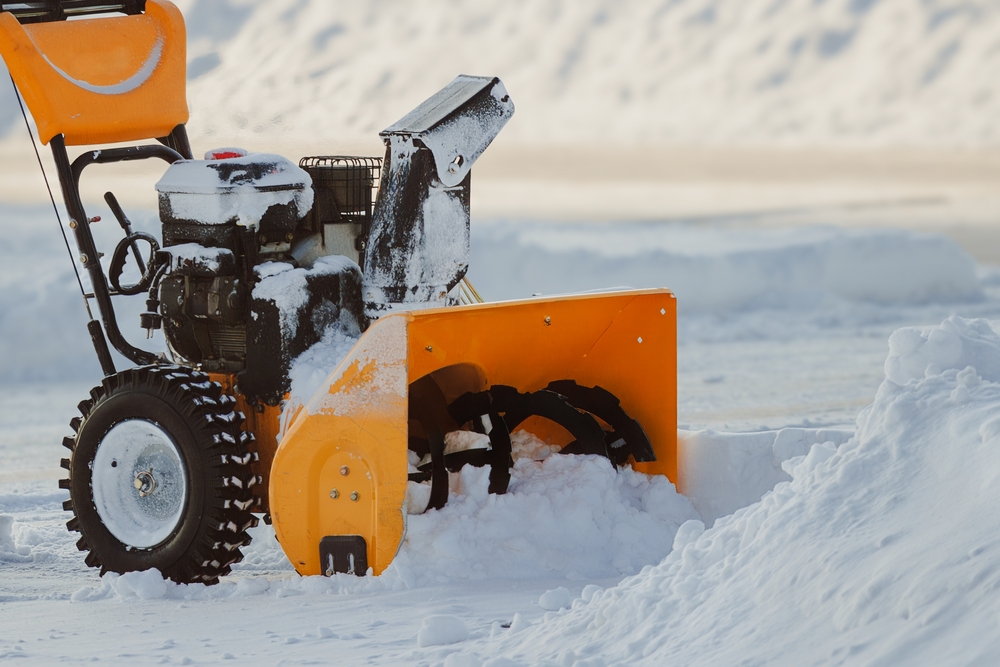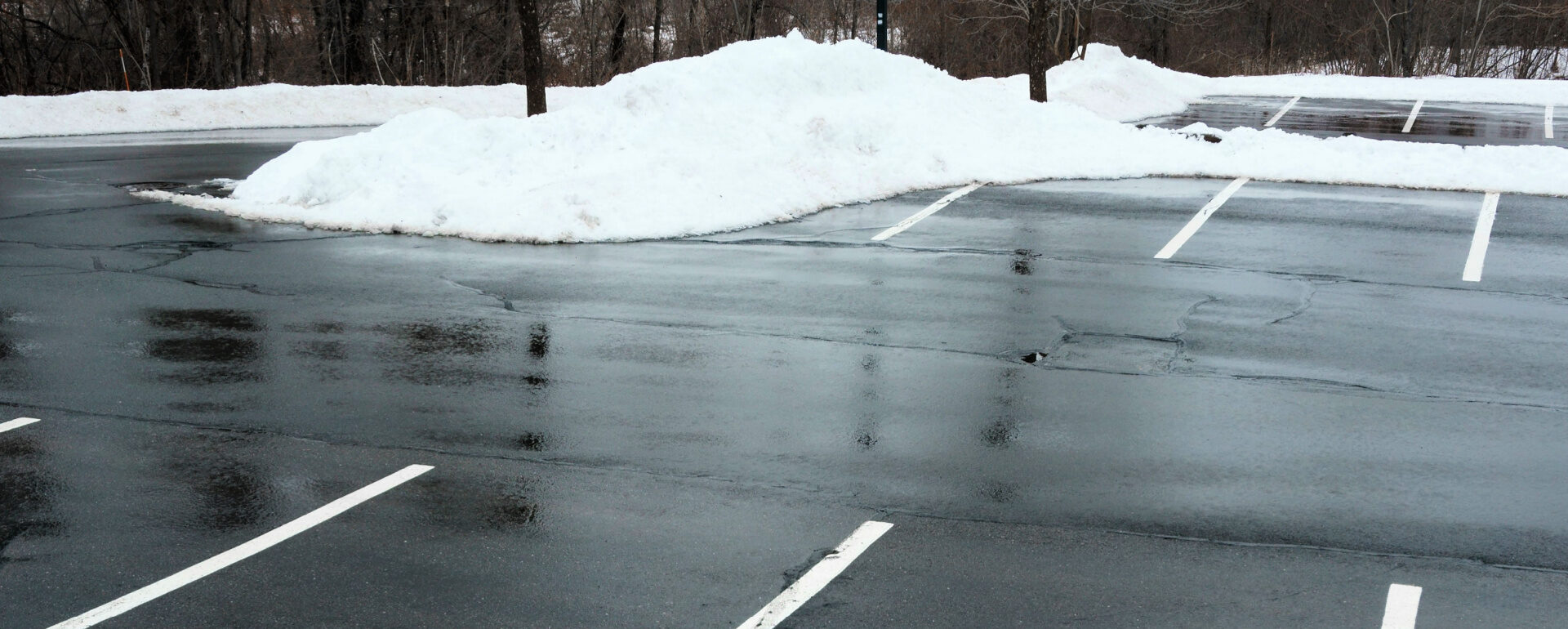


As winter wraps up and operations shift out of peak season, the focus for commercial snow companies should turn toward preparation for the next round of storms. Spring is the ideal time to maintain, repair, and upgrade equipment, ensuring that fleets are ready to perform at their best when demand returns.
At DMC SNOW, we see the value in tackling service work early. Spring preparation prevents equipment downtime, lengthens the useful life of machinery, and keeps operations running at full capacity year after year. Commercial snow plowing services in Montgomery County help businesses maintain open and accessible parking lots throughout the winter season.
Why Address Equipment in Spring
Snow equipment takes on extreme conditions during the winter. Exposure to salt, ice, heavy workloads, and extended hours can wear down even the most reliable machinery.
Acting in spring delivers several key benefits:
- Identifying repairs while the season’s workload is still fresh in mind.
- Getting first access to parts and service schedules before the pre-season rush.
- Protecting the long-term performance of your entire fleet.
- Ensuring a smoother, more efficient startup when the next snow event arrives.
Step One: Full Cleaning and Equipment Evaluation
Salt, sand, and deicing materials can damage equipment if left on surfaces. The first step is a complete cleaning followed by a careful inspection.
- Plows: Remove all buildup, then check blades, frames, and hardware for signs of wear or bending.
- Blowers: Clear augers and impellers, ensuring belts and tension components are in good condition.
- Spreaders: Flush conveyors and hoppers thoroughly to remove leftover material.
- Fleet vehicles: Power wash undercarriages and check for hydraulic leaks or worn components.
Once clean, problem areas are easier to spot and document, giving you a clear maintenance plan to work from.
Step Two: Servicing Hydraulics
Hydraulic systems power core functions across plows, loaders, and other equipment. Servicing them in spring helps avoid downtime later.
- Inspect hoses for cracks and fatigue.
- Tighten connections and check for leaks.
- Change oil and filters as recommended.
- Test cylinders and controls for consistent response.
Keeping hydraulics in top condition ensures dependable equipment performance for future operations.
Step Three: Inspecting Electrical Systems
Commercial snow work often runs around the clock, so lighting and electrical systems must be reliable. After a full season of exposure to harsh conditions, spring is the ideal time to:
- Test plow and spreader controls.
- Check wiring harnesses for corrosion or damage.
- Replace bulbs or lighting fixtures as needed.
- Clean and tighten battery terminals, replacing older batteries where necessary.
These checks prevent small electrical issues from disrupting major operations.
Step Four: Lubrication and Corrosion Protection
Once inspections are complete, lubrication and rust prevention protect your investment and support smooth operation.
- Grease moving parts, pivot points, and bearings.
- Apply protective coatings to plow blades and spreader interiors.
- Touch up chipped or worn paint to shield exposed steel.
Equipment that is properly treated and protected in the spring will withstand storage periods and return to service more effectively in the winter.
Step Five: Tires, Tracks, and Suspension
Fleet performance depends heavily on ground contact equipment. Now is the time to check for wear:
- Inspect tires for cracks, tread wear, or bulges.
- Confirm track tension on loaders and skid steers.
- Grease suspension joints and inspect for damaged parts.
Proactive attention reduces interruptions during storm operations.
Step Six: Restock and Reorder Parts
Winter consumes a wide range of replacement parts and consumables. Spring allows operators to reset inventory levels, often with greater availability. Consider replenishing:
- Plow cutting edges
- Shear pins and belts
- Hydraulic fluids and filters
- Bulbs, fuses, and electrical supplies
- Calibration tools and deicing materials
Building inventory ahead of time keeps operations efficient once the pace of storms increases.
Step Seven: Evaluate Fleet Performance
Beyond maintenance, spring presents the opportunity to evaluate how equipment performed throughout the season. Determine whether repairs, upgrades, or new machines are needed to meet demand next year. Areas to review include:
- Equipment that required repeated servicing.
- Spreaders, plows, or blowers that no longer match operational volumes.
- Opportunities to increase efficiency with upgraded technology.
This type of review helps align equipment capabilities with operational needs well ahead of the busy season.
Partner with DMC SNOW
For commercial snow companies, equipment reliability is the backbone of efficient operations. DMC SNOW provides professional off-season service and upgrade support, including:
- Hydraulic system maintenance and rebuilds
- Electrical servicing and rewiring
- Replacement and installation of cutting edges, blower parts, and spreader components
- Preventative maintenance programs
- Fleet enhancement options and retrofits
By addressing maintenance during spring and summer, you enter next season with equipment that’s refined, dependable, and ready for immediate use.
Final Thoughts
Professional snow removal in Ardmore keeps businesses clear of the snowy mess. Spring is more than downtime—it’s the window to prepare, refresh, and strengthen your snow removal equipment fleet. By managing maintenance, repairs, parts inventory, and performance reviews now, you position your operation for reliability and efficiency when the first storms hit.
DMC SNOW is committed to helping commercial snow operators make the most of spring preparation, ensuring every machine in the fleet is ready to perform when the demand returns. Contact us today!